

If you are searching for how to reset a water heater, you are likely dealing with little to no hot water at home. Many water heaters shut off to protect themselves when a safety switch is triggered, and a simple reset is often all you need to get the system running again. Understanding why this happens and how to reset the unit safely can help you restore hot water without guesswork.
While a reset is usually quick and easy, it can also indicate that something inside the system needs attention. Overheating, wiring issues, sediment buildup, or failing sensors are common problems found during home inspections. This guide explains how to reset any water heater, why the reset button trips, and when to call a professional.
Why Homeowners Might Need to Reset a Water Heater
Your water heater works quietly in the background until the day it doesn’t. When hot water runs out or the unit shuts off, many homeowners search for how to reset the water heater because it is one of the easiest first steps.
A reset tells the heater to start a new heating cycle, but it should never be used to ignore a deeper problem.
Many issues that lead to resets show up during home inspections. These include overheating, wiring concerns, scale buildup, or failing sensors. A reset may help in the moment, but repeated resets mean the unit needs attention.
Do You Really Need to Reset Your Water Heater?
Before resetting, look for simple signs that your water heater shut off unexpectedly. This helps you decide if a reset is needed or if something else is going on.
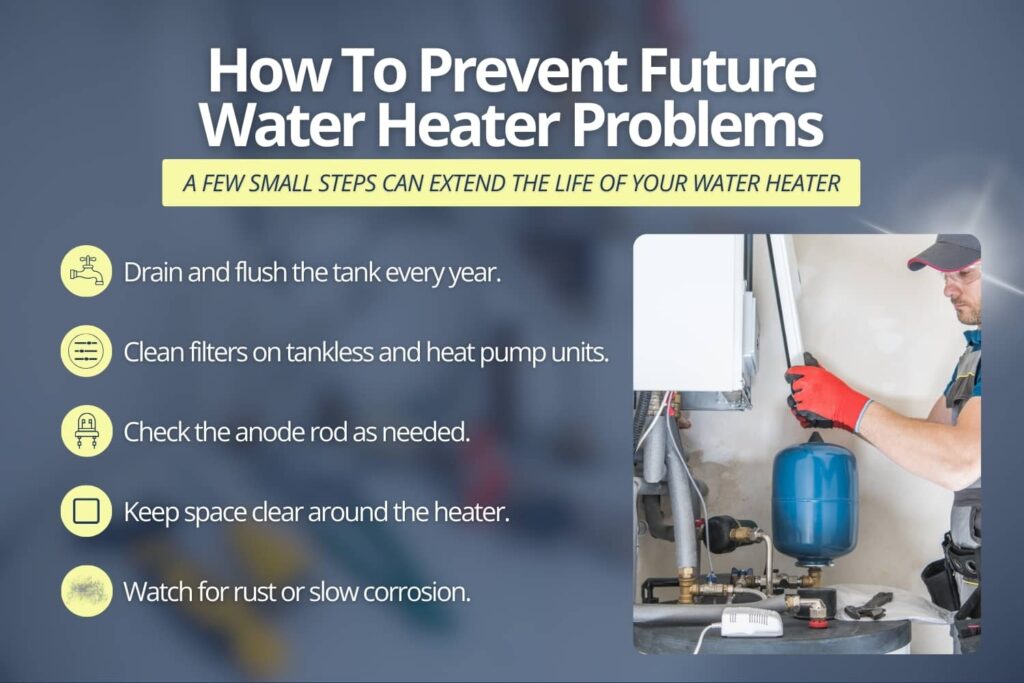
You may need a reset if you notice:
- No hot water
- Warm water that turns cold too fast
- The reset button popped out
- Error codes on tankless units
- A breaker that tripped when the heater was running
Some of these signs look similar to other issues. During inspections, we often find loose wiring, aging elements, or sediment buildup behind many “no hot water” complaints.
How the Reset Button Works
The reset button is a built-in safety feature that shuts the water heater off if the water becomes too hot or the system senses a problem.
It prevents overheating, protects the tank from damage, and helps reduce the risk of electrical or mechanical failure.
If the reset button keeps tripping, it means the heater is shutting itself off repeatedly to avoid a safety issue. This is not normal. Frequent tripping indicates that the system may need inspection or repair.
Where to Find the Reset Button on Your Water Heater
Finding the reset button is straightforward once you know where it’s located on your water heater model.
- Electric water heaters:
It is usually behind the top access panel. Remove the panel, pull back the insulation, and look for a small red button. - Gas water heaters:
Some gas units have a reset feature in the control unit near the burner or pilot, while others use a simple pilot-relighting process. - Tankless water heaters:
Most have a digital reset function on the display. Some models also have a small physical reset button inside the panel. - Heat pump water heaters:
The reset is often on the top control panel or behind a small access cover.
If the button is not easy to find, check your unit’s label or manual. Do not open panels that expose wiring if you are unsure.
How to Reset Any Water Heater Safely
Resetting a water heater is usually simple, but it is important to do it safely. These steps work for most electric, gas, tankless, and heat pump systems and help you avoid common risks.
- Turn off the power at the breaker or shut off the gas supply
This prevents the heater from running while you work and reduces the chance of electrical or gas-related hazards. - Wait a few minutes for the system to cool
A short pause allows the safety switch to reset and gives the heater time to settle if it shuts off from overheating. - Locate the reset button
The button is often red and placed behind an access panel or on the control panel, depending on the type of heater. - Press the reset button until you feel or hear a click
A firm click usually means the safety switch has been reset. - Restore power or gas to the unit
Turn the breaker back on or reopen the gas supply so the system can begin a new heating cycle. - Give the heater time to warm the water
Electric and gas tanks need extra time to heat back up, while tankless units restart almost right away.
If the heater does not turn back on after these steps, or if the reset button trips again, stop and check for warning signs like a tripped breaker, leaks, unusual noises, or error codes.
Repeated tripping indicates that the system needs professional attention.
Reset Tips for Each Type of Water Heater
- Electric Water Heater: Electric units trip when the water overheats or when the thermostat or element fails. After resetting, see if the breaker stays on. If it trips again, the wiring or an internal component may need attention.
- Gas Water Heater: Some gas systems must be relit manually. If the pilot goes out often, this can be a signal of a ventilation issue, a bad thermocouple, or a sensor problem.
- Tankless Water Heater: Tankless units often shut down due to scale buildup, clogged filters, or low water flow. A reset clears the error code, but the cause must still be fixed for the system to run properly.
- Heat Pump Water Heater: These units can trip when airflow is blocked, when filters are dirty, or when the surrounding room is too cold. After a reset, check that the unit has enough space around it to work properly.
What Causes a Water Heater to Trip
A reset indicates that the safety switch has been activated. The most common causes include:
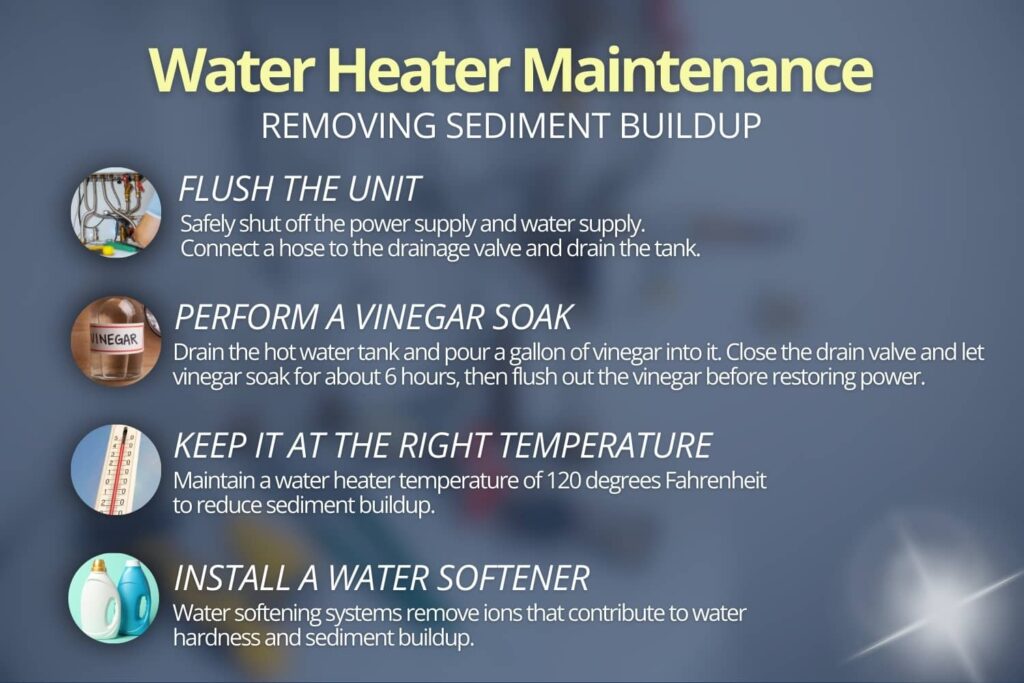
- Overheating from sediment buildup
- Loose wiring or failing electrical parts
- A bad thermostat
- Faulty elements in electric units
- Blocked airflow in heat pump units
- Scale buildup in tankless systems
- Gas control failures in gas units
During inspections, we often find that small issues can turn into major system failures if they aren’t caught early.
Common Water Heater Problems and What They Mean
| Problem You Notice | What It Usually Means | What Homeowners Should Do First |
| No hot water at all | Tripped reset button, bad element, or gas issue | Sediment buildup or a failed thermostat |
| Water gets hot, then turns cold fast | Leave the breaker off and get it checked | Overheating or an electrical problem |
| The tankless unit shows error codes | Flush the tank if possible, and schedule maintenance | Stop pressing reset and call a professional |
| Breaker trips often | Clean the filter and run a descaling cycle | Loose wiring or a failing element |
| The water heater makes popping sounds | Scale buildup or low water flow | The reset button keeps tripping |
| Turn off the power, gas, and water supply | Sediment on the bottom of the tank | Plan for a full flush or inspection |
| Leaking water at the base | Tank failure or loose connections | Turn off the power and water supply |
Troubleshooting Before and After a Reset
If the water is still cold after resetting the heater, try these simple checks:
- Is the breaker still on
- Are there any leaks at the base of the tank
- Are error codes showing again
- Is the pilot light still burning (for gas)
- Do you hear the tank refilling or the burner turning on
If nothing changes, the reset may not be the solution.
When Your Water Heater Keeps Tripping the Reset Button
If the reset button pops out again after you press it, the heater is shutting itself off for safety. Do not force it to run. A recurring trip means the system is trying to prevent overheating or damage.
Some of the most common causes include:
- An overheating tank
- A failing thermostat
- A broken heating element
- Unsafe or loose wiring
- Age-related wear inside the unit
When this happens, the heater needs to be inspected. Repeated resets can hide a growing issue, and continuing to use the system may lead to bigger failures or safety risks.
When to Call a Professional Instead of Resetting Again
Stop resetting the system and call for help if you notice:
- A burning smell
- Scorch marks near wiring
- A breaker that will not stay on
- A leak under or around the unit
- Rust on the tank or connections
- A unit older than ten years that keeps shutting down
These signs point to real risks. A licensed inspector or technician can find the cause and prevent further damage.
How Long a Reset Should Take
Different water heaters heat at different speeds.
- Electric tanks take 45 to 60 minutes
- Gas heaters warm up in about 20 to 30 minutes
- Tankless units heat water right away
- Heat pump units vary by mode and room temperature
If your unit takes much longer than this, it may need maintenance.
Safety Risks Homeowners Often Miss
Water heaters can develop hidden safety issues that are easy to overlook. Wet panels can create shock hazards, gas control valves can leak, tanks can overheat, and a faulty pressure relief valve can allow dangerous pressure to build.
A thermostat problem can also cause water to become too hot. This can lead to scalding.
If you notice unusual smells, noises, leaks, or heat coming from the unit, turn off the power or gas and contact a professional right away.
Related Questions
Why doesn’t my water heater stay on after a reset?
Your water heater may not stay on because it is overheating. Hard water can also be a factor. Mineral buildup from hard water can clog pipes, reduce efficiency, and put extra strain on the system. If you’ve had recent plumbing issues, your water quality may be contributing to the problem.
How long should I wait for hot water after resetting?
Most water heaters take about 20 to 60 minutes to heat water after a reset. If yours is taking much longer, it could be a sign of age or declining performance. Water heaters nearing the end of their lifespan can be costly to replace, so it’s important to understand their condition and watch for signs of wear.
How a Home Inspection Helps Prevent Water Heater Problems?
Many water heater issues start small, and a home inspection can identify them early. Inspectors can find small issues before they develop into major problems.
They also check for pooling water or corrosion near water heaters and laundry appliances, which can indicate developing problems.
In addition, an inspection helps you understand the age and overall condition of your system so you can plan for maintenance or replacement when needed.
Conclusion
If your water heater will not stay on or you keep resetting it, an inspection can help you find the real cause. P.I. Home Inspection Services checks water heaters as part of every full home inspection and helps homeowners understand the condition of this important system.
If you’re unsure why your heater shut down, have it inspected to ensure your home stays safe.
