
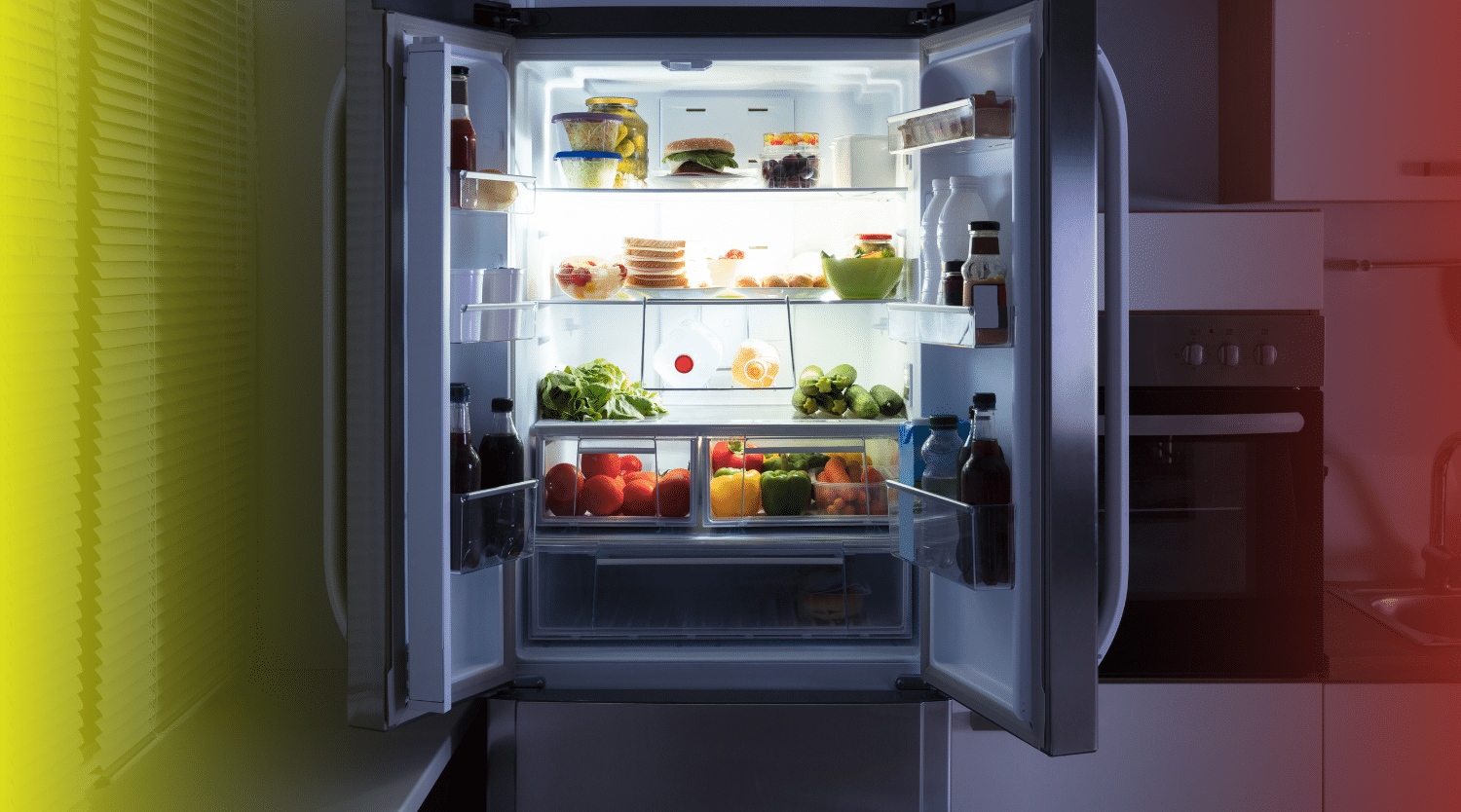
You just moved into a new home in Batavia, or maybe you had a brand new fridge delivered and plugged in while the movers were still bringing boxes through the door.
Either way, you opened it a few hours later expecting cold air and got room temperature instead. So what is going on, and how long does it take for a refrigerator to get cold?
If you are wondering about the timeline, most refrigerators take between 2 and 24 hours to reach a safe and stable temperature after being turned on.
The exact time depends on the model, the size of the unit, and the specific circumstances of the setup.
If you just moved into a new home or purchased a new refrigerator, understanding how it works in the context of your kitchen, electrical system, and even indoor air quality can save you from spoiled groceries and unnecessary service calls.
There is more to the process than just waiting for a motor to run.
Why the Initial Cooling Time Matters for Your Move
Whether you are upgrading your kitchen or transitioning into a new home in the Fox Valley, the “cooling window” is a critical part of your moving logistics. Understanding this timeline helps you avoid two major headaches:
Protecting Your Groceries
If you’re moving, you likely have a cooler full of perishables waiting to be transferred. Knowing exactly when the fridge is safe for milk and meat prevents foodborne illness and wasted money.
Identifying Performance Issues Early:
If you’ve just purchased a new home, you need to know if the “new-to-you” refrigerator is functioning correctly. If it hasn’t reached the right temperature within the standard window, it may be a sign of a mechanical issue that needs to be addressed before you fully settle in.
Planning Your Delivery: If you’ve ordered a brand-new unit, knowing the setup time helps you schedule the delivery so you aren’t left without a functional kitchen on your first night in a new space.
The Timeline for a New Refrigerator to Reach Temperature
While the motor might hum the moment you plug it in, the actual drop in temperature is a marathon, not a sprint. Typically, you can expect the following milestones:
| Fridge Type | Estimated Cool-Down Time | Why? |
| Mini Fridge | 2 – 4 Hours | Compact size and low internal volume. |
| Commercial Fridge | 1 – 5 Hours | Powerful compressors designed for high-traffic kitchens. |
| Household Fridge | 6 – 12 Hours | Large capacity with standard residential cooling systems. |
| Chest Freezer | 6 – 12 Hours | Deep internal space and horizontal layout take longer to circulate. |
How long it takes a specific fridge to get cold depends on several factors we will cover in this guide, including the ambient temperature of your kitchen and how often you open the doors during setup.
Why Does a Refrigerator Need Time to Cool Down?
A refrigerator works by circulating refrigerant through a system of coils and a compressor to remove heat from the interior. This heat is then released out the back or bottom of the unit.
When a brand new fridge is first turned on, the interior is at room temperature. This is typically somewhere between 65 and 75 degrees Fahrenheit. The compressor has to work through that entire temperature gap before the fridge can get cold enough to safely store food.
This process takes time for a few reasons. The compressor runs in cycles rather than continuously. This is by design to prevent overheating and extend the life of the unit.
The walls, shelves, and interior components of the fridge also absorb heat and have to cool down alongside the air inside.
A brand new, unused fridge starts completely at ambient temperature, so the initial cool-down period takes longer than restabilizing after a power outage when the unit was already cold.
Why You Should Let a Refrigerator Stand Before Plugging It In
If a new refrigerator is transported on its side or at a steep angle, the compressor oil can shift into the refrigerant lines.
Plugging the unit in before that oil has time to settle back can cause damage to the compressor and produce a fridge that never gets cold properly.
The recommended wait time is to let the refrigerator stand upright for the same number of hours it was on its side.
You should wait a minimum of one to two hours and ideally two to four hours before you plug it in. If the fridge was transported upright the entire time, you can typically start it up right away.
Checking the owner’s manual for your specific brand and model is always the safest approach. Some manufacturers include specific guidance that affects how long it takes for that refrigerator to get cold and reach optimal performance.
Factors That Affect How Quickly a Fridge Gets Cold
Several variables influence how fast a new refrigerator reaches its target temperature. Understanding these can help you manage your expectations during a move in the Chicago suburbs.
Ambient Room Temperature
A fridge in a hot garage during a humid Illinois summer works much harder than one in a climate-controlled kitchen.
The warmer the surrounding environment is, the longer it takes for the refrigerator to get cold.
When setting up a second fridge in a Batavia garage, expect it to take the full 24 hours to stabilize during July or August.
Whether the Fridge is Empty or Loaded
An empty fridge cools down more quickly initially because fewer items are adding thermal mass. However, a fully stocked refrigerator maintains its temperature better once it is finally cold.
This is because food and water-heavy beverages act as thermal mass that stabilizes the interior when the door opens.
Refrigerator Size and Model
Larger new refrigerators, such as French door and side-by-side models, have more interior volume to cool. They typically take longer to reach stable temperatures than compact or top freezer models.
Door Openings
Every time the door opens, warm room air enters, and the compressor has to compensate. Frequently opening the refrigerator door allows cold air to escape, which delays stabilization.
During the initial cool-down period, you should keep the door closed as much as possible. Limiting door openings in the first few hours after setup can cut the total cool-down period noticeably.

Refrigerator Temperature Settings for Food Safety
Most refrigerators have a dial or digital control to set the target temperature.
Set the fresh food compartment between 35 and 38 degrees Fahrenheit and adjust the freezer to 0 degrees Fahrenheit. The FDA recommends keeping refrigerators at or below 40 degrees Fahrenheit.
Freezers should stay at 0 degrees Fahrenheit to keep food safe. Until your new fridge reaches those temperatures, you should wait before stocking it with meat, dairy, produce, or other perishable items.
Some newer models have separate controls for each section, while older models may use a single dial. Setting the temperature too low wastes energy and can cause produce to freeze.
Setting it too high puts food safety at risk. Once the new refrigerator has fully cooled after initial setup, you can use an inexpensive fridge thermometer to verify the actual temperature.
The dial setting does not always reflect the true interior temperature accurately.
What Refrigerator Performance Has to Do With Home Inspections
Moving into a new home in Batavia or the Fox Valley? The appliances left behind aren’t always in great shape. An old fridge might have dirty condenser coils or a worn door seal.
You may also find a failing thermostat or a compressor working harder than it should. issues are easy to overlook during a walkthrough, but can mean spoiled groceries and higher energy bills.
During a home inspection, installed appliances, including the refrigerator, are evaluated for basic functionality.
A certified inspector checks if the fridge powers on and the controls work. They also look for visible wear or damage. An inspection isn’t a repair service, but it shows the current state of your appliances. These flags are worth addressing before closing.
Is the fridge older or making unusual sounds? Does it take a long time to get cold? These are red flags.
A repair verification inspection can also help. It confirms that the seller fixed any issues before you move in.
Maintenance Tips to Keep Your Fridge Cold
To ensure your refrigerator continues to get cold quickly and stays that way, regular maintenance is required. This is especially true in the Chicago area, where dust and pet hair can quickly clog up appliance components.
- Clean the condenser coils every six months to keep the compressor running efficiently
- Check the door seals for cracks or gaps that allow cold air to leak out
- Ensure there is at least one inch of space around the sides and back for proper airflow
- Avoid placing the refrigerator directly next to a heat source like a dishwasher or oven
- Keep the freezer compartment moderately full to help maintain stable temperatures

Other Recommended Questions About Refrigerators and Maintenance
How long do kitchen appliances typically last?
Most major kitchen appliances, including refrigerators and dishwashers, have an average lifespan of 10 to 15 years. Factors like brand quality and consistent maintenance play a significant role in longevity. Identifying the age and condition of these units is a standard part of evaluating a home’s overall value and potential upcoming expenses.
What are common refrigerator issues found during a home inspection?
Beyond basic cooling, inspectors look for frayed electrical cords, leaking water lines for ice makers, and damaged door gaskets. They also check if the unit is level, as an unlevel fridge can prevent the door from sealing properly, leading to moisture buildup and mechanical strain.
Do home inspections cover built-in appliances?
Yes. A standard home inspection includes a functional check of permanently installed appliances such as the stove, oven, built-in microwave, and dishwasher. The goal is to ensure they power on and perform their basic intended functions at the time of the walkthrough.
Should I replace appliances before selling my home?
Not necessarily. While brand-new appliances can be a selling point, many buyers are satisfied as long as the current units are clean and fully operational. If an inspection reveals a major safety defect or mechanical failure, a repair or credit is often more common than a full replacement.
When to Call a Professional
While a bit of patience is required during setup, there are clear signs that you need professional intervention rather than just more time.
Call an Appliance Technician if:
The 24-Hour Mark Passes: Your refrigerator has been plugged in for a full day and still hasn’t reached the recommended 37°F–40°F range.
Unusual Noises: The unit is making loud grinding, clicking, or rattling sounds that go beyond the normal hum of a compressor.
Seal Issues: You notice gaps or moisture around the door gasket, which allows cold air to escape and prevents the unit from ever reaching its potential.
Call a Certified Home Inspector if:
You’re Navigating a Real Estate Transaction: If you are buying a home in Batavia or the surrounding Chicago suburbs, you need an evaluation of the overall health of the appliances before you close.
You Want to Avoid “Inherited” Problems: While a technician fixes a broken part, an inspector helps ensure you aren’t inheriting a costly mechanical headache.
You Need Move-In Peace of Mind: A professional inspection gives you the leverage to ask for repairs or credits before the keys are in your hand. Reaching out to P.I. Home Inspection Services before you schedule is the best way to understand exactly what your inspection covers regarding appliances, giving you the clarity you need before you move in.
Conclusion
Most refrigerators take between 2 and 24 hours to get cold after being plugged in. While a mini fridge or commercial unit might reach temperature faster, the average household unit needs more time to stabilize.
Knowing what affects that timeline and how your fridge fits into the broader picture of a home’s appliances helps you avoid surprises.
Whether you are setting up a new home or evaluating one you are about to buy, the condition of your appliances matters.
At P.I. Home Inspection Services, we provide thorough home inspections throughout Batavia, Illinois, Chicago, and the surrounding suburbs.
